

In the rapidly evolving landscape of industrial automation, the role of suppliers has become increasingly pivotal. As industries strive for efficiency and innovation, the demand for advanced automation solutions has surged. This article explores the significant impact that industrial automation suppliers have on the manufacturing sector and highlights key trends shaping the future of automation.
The Growing Importance of Automation
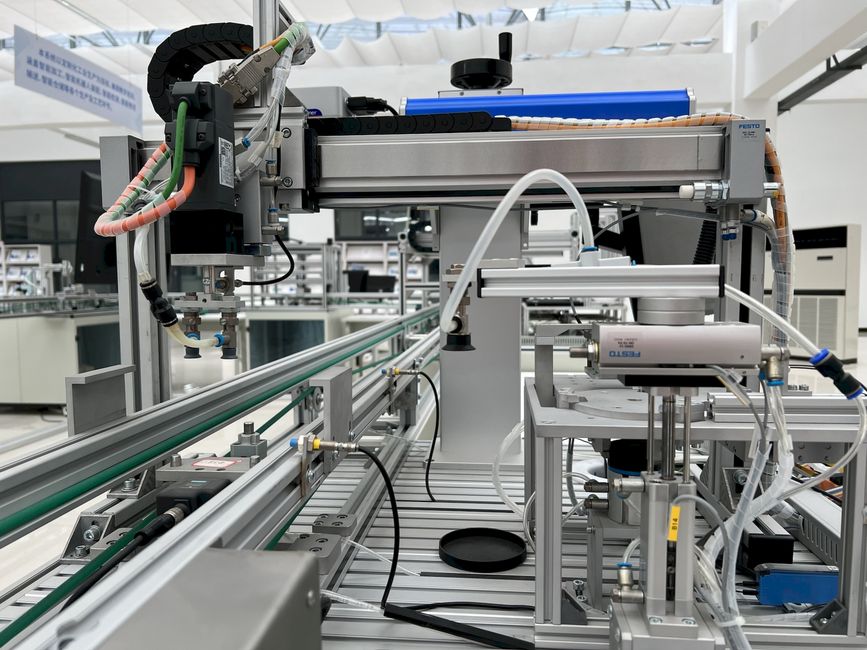
Industrial automation refers to the use of control systems for operating equipment in manufacturing plants, boilers, and heat treating ovens, switching on telephone networks, steering and stabilization of ships, aircraft, and other applications. The importance of automation has been magnified by the need for improved productivity, reduced operational costs, and enhanced safety measures.
According to a report by MarketsandMarkets, the global industrial automation market is expected to grow from $175.8 billion in 2020 to $296.7 billion by 2026, at a CAGR of 8.5%. This growth is driven by the increasing adoption of IoT (Internet of Things) technologies and the need for smart manufacturing solutions.
In this context, industrial automation suppliers play a crucial role by providing the necessary components and systems that enable businesses to implement automation effectively. From sensors and actuators to software and control systems, these suppliers are at the forefront of technological advancements.
Key Players in the Industrial Automation Supplier Space
Several key players dominate the industrial automation supplier market, each bringing unique solutions to the table. Companies like Siemens, Rockwell Automation, and Schneider Electric are recognized for their comprehensive portfolios ranging from hardware to software solutions.
For example, Siemens has made significant strides in digitalization and automation with its Siemens Digital Industries division, which focuses on automated solutions that enhance productivity and efficiency. Rockwell Automation, on the other hand, provides innovative solutions that integrate information technology with operational technology, allowing for more streamlined operations.
Additionally, suppliers like industrial automation supplier Omron are known for their commitment to developing cutting-edge technologies that address the evolving needs of manufacturers. Their products, which include advanced sensors and robotic systems, are designed to improve production processes and ensure quality control.
Technological Innovations Shaping the Industry
The industrial automation sector is witnessing a wave of technological innovations that are transforming how businesses operate. One of the most significant trends is the integration of artificial intelligence (AI) and machine learning (ML) into automation systems. These technologies allow for predictive maintenance, optimizing operations by anticipating equipment failures before they occur.
Another notable innovation is the rise of collaborative robots, or cobots. Unlike traditional industrial robots, cobots are designed to work alongside human workers, enhancing productivity without the need for extensive safety barriers. This trend is particularly beneficial in small to medium-sized enterprises that may lack the resources for large-scale automation.
Moreover, the use of edge computing in automation is gaining traction. By processing data closer to where it is generated, businesses can achieve faster response times and improved decision-making capabilities. This shift is essential for industries that require real-time data analysis and rapid adjustments to production processes.
The Challenges Facing Industrial Automation Suppliers
Despite the promising growth and technological advancements, industrial automation suppliers face several challenges. One of the primary concerns is the skills gap in the workforce. As automation technologies become more complex, the demand for skilled labor to manage and maintain these systems increases. However, many industries struggle to find qualified candidates with the necessary expertise.
Additionally, the rapid pace of technological change can be overwhelming for suppliers. Keeping up with the latest innovations requires significant investment in research and development, which may not always yield immediate returns. Suppliers must also navigate the complexities of global supply chains, which can be disrupted by various factors, including geopolitical tensions and natural disasters.
Lastly, cybersecurity is a growing concern as more devices become interconnected. Suppliers must prioritize the security of their products to protect businesses from potential cyber threats that could compromise sensitive data and operational integrity.
Conclusion
The role of industrial automation suppliers is more critical than ever in the quest for efficiency and innovation within the manufacturing sector. As businesses continue to embrace automation technologies, suppliers will need to adapt and evolve to meet the changing demands of the market. By leveraging advancements in AI, machine learning, and collaborative robotics, these suppliers can help drive the future of industrial automation, ensuring that industries remain competitive in an increasingly digital world.