

Metal fabrication shops play a crucial role in various industries, providing essential services that range from custom metal parts to complex assemblies. These shops are not just the backbone of manufacturing but also the creative space where innovative ideas turn into tangible products. In this article, we will explore the intricate workings of a metal fabrication shop, the processes involved, and the benefits they offer to businesses and individuals alike.
The Basics of Metal Fabrication
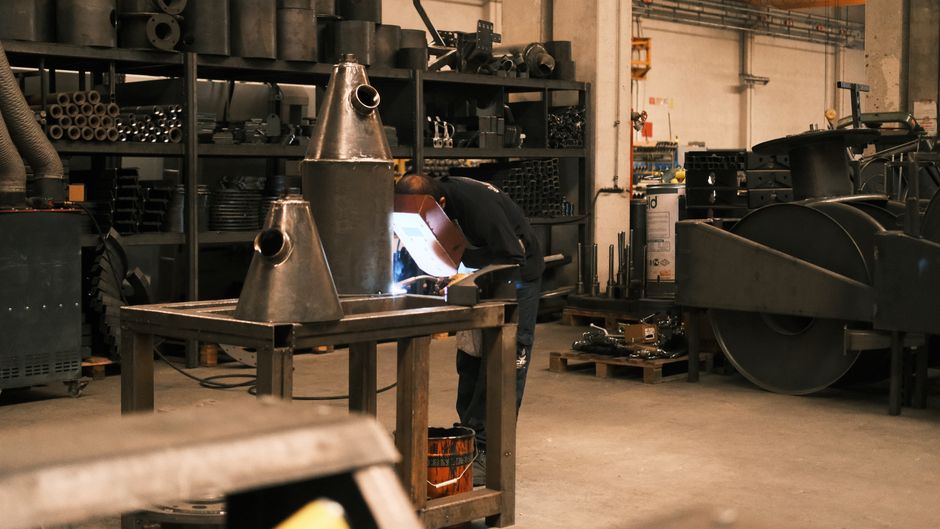
Metal fabrication involves the process of creating metal structures through cutting, bending, welding, and assembling. It is a crucial phase in manufacturing that transforms raw materials into finished products. Typically, metal fabrication shops utilize a variety of tools and techniques to achieve precision and quality in their output.
In a typical fabrication shop, you will find equipment such as laser cutters, CNC machines, and welding stations, each serving a specific purpose. For instance, laser cutting allows for intricate designs and shapes to be cut from metal sheets with high precision. This is particularly important in industries where accuracy is vital, such as aerospace and automotive.
Key Processes in a Metal Fabrication Shop
There are several key processes that define the operations of a metal fabrication shop. Each of these processes is essential for ensuring that the final product meets the required specifications and standards.
1. **Cutting**: This is often the first step in the fabrication process. Metal sheets are cut to size using various methods, including shearing, laser cutting, or plasma cutting, depending on the thickness and type of metal.
2. **Bending**: After cutting, the metal pieces are bent into desired shapes. This process often uses press brakes and other bending equipment to achieve the required angles and curves.
3. **Welding**: Welding is a critical process used to join metal parts together. There are various welding techniques, including MIG, TIG, and spot welding, each suitable for different applications. Skilled welders ensure that the joints are strong and durable.
Importance of Quality Control
Quality control is a non-negotiable aspect of metal fabrication. A reputable metal fabrication shop implements rigorous testing and inspection protocols to ensure that all products meet industry standards. This includes dimensional inspections, weld testing, and material verification.
For example, a study by the American Society of Mechanical Engineers (ASME) found that improper welding procedures could lead to catastrophic failures in structures, emphasizing the need for strict quality control measures in fabrication shops.
Additionally, many shops are obtaining certifications such as ISO 9001, which indicates adherence to international quality management standards. This not only enhances credibility but also assures clients of the quality of the products they receive.
Trends Shaping the Metal Fabrication Industry
The metal fabrication industry is constantly evolving, influenced by advancements in technology and changing market demands. One of the most significant trends is the rise of automation and robotics in fabrication processes.
Automating repetitive tasks can increase efficiency and reduce labor costs. For instance, robotic arms are now used for welding and material handling, allowing for faster production rates and improved accuracy.
Another trend is the increasing use of sustainable practices. Many metal fabrication shops are adopting eco-friendly practices by minimizing waste and recycling materials. This not only helps the environment but also reduces operational costs.
Choosing the Right Metal Fabrication Shop
When selecting a metal fabrication shop, several factors should be considered. First, assess their capabilities and the range of services they offer. A shop that specializes in diverse processes, including custom projects, will likely meet various needs.
Next, inquire about their experience and expertise in your specific industry. A shop with a proven track record in your sector will be more adept at understanding your requirements and delivering satisfactory results.
Lastly, consider their commitment to quality and customer service. A reliable metal fabrication shop will prioritize clear communication and timely project completion, helping to forge a successful partnership.
Conclusion
In conclusion, metal fabrication shops are vital to the manufacturing landscape, providing essential services that drive innovation and quality. Understanding the core processes, the importance of quality control, and the current trends will help businesses make informed decisions when partnering with a fabrication shop. As the industry continues to evolve, staying ahead of these changes will be crucial for maintaining a competitive edge.